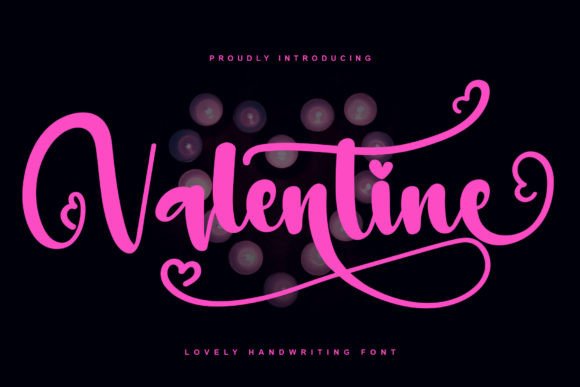
Valentine: A Robust Font for Bold, Sport-Inspired Design
When a project demands a typeface with undeniable presence, the search can be challenging. You need something that communicates strength and energy without sacrificing clarity. This is where Valentine enters the conversation—a robust, premium font engineered specifically to draw the eye and anchor a design with a bold, vibrant feel. It’s not merely a collection of letters; it’s a design asset built for impact, particularly suited to the dynamic world of sports, entertainment, and high-energy branding.
The Visual Character of a Powerful Typeface
At its core, Valentine is a display font, meaning its primary strength lies in headlines, logos, and large-scale applications where it can truly shine. Its visual personality is immediately clear: the letterforms are confident, with a substantial weight and a modern, slightly condensed structure that suggests forward motion and athleticism. This isn't a delicate script font or a neutral sans serif; it's a creative font with a clear point of view. The terminals and joints often feature subtle, sharp angles rather than soft curves, reinforcing its sport-inspired DNA. This gives it a contemporary edge, aligning with modern typography trends that favor clean, impactful shapes over ornate details.
The overall appeal of Valentine is its ability to feel both powerful and approachable. It avoids the cold, overly technical vibe some geometric sans serifs can have, instead offering a warmth through its balanced proportions. This makes it a versatile typeface for projects that need to feel energetic and engaging yet professional and trustworthy.
Where Valentine Truly Excels: Practical Applications
Understanding a font's ideal use cases is crucial for any designer or business owner. Valentine’s robust construction makes it a natural fit for a specific set of high-stakes projects. Think about the immediate context of sports: it’s perfect for team branding, jersey lettering, league logos, and promotional posters. The font’s inherent boldness ensures team names and numbers are legible from a distance on a field or court, which is a non-negotiable requirement in athletic design.
Beyond the stadium, its applications extend into the broader entertainment and media landscape. For movie titles, film posters, or documentary branding, Valentine provides the cinematic weight needed to grab attention on a billboard or streaming thumbnail. It translates seamlessly into book cover design, especially for genres like thriller, action, or sports biographies, where the title needs to set a powerful tone instantly.
For entrepreneurs and marketers, this commercial font is a strategic tool for brand identity. A startup in the fitness tech space, an outdoor adventure company, or a competitive gaming league can use Valentine in their logo design and social media graphics to immediately communicate a core message of strength, competition, and vibrancy. In packaging design, it can make a product stand out on a crowded shelf, especially for goods targeting an active, youthful demographic.
Integrating Valentine into Your Design Workflow
Simply liking a font’s aesthetic isn’t enough; you must evaluate its technical and practical fit for your project. Here’s how to approach using Valentine effectively.
Evaluate Project Fit: Before downloading, ask yourself if the project’s core message aligns with Valentine’s personality. Is the goal to feel energetic, strong, and modern? If the project requires a gentle, handwritten, or classic serif font feel, Valentine likely isn’t the right match. Its strength is in bold declarations, not subtle whispers.
Test Font Pairings: No display font is an island. Valentine’s robust nature means it pairs best with cleaner, more neutral typefaces for body copy. A classic serif font or a simple sans serif font will provide necessary contrast and ensure readability for longer text. For example, pairing Valentine with a font like Open Sans or Lora creates a clear visual hierarchy: Valentine commands attention in the headline, while the supporting font delivers the detailed information comfortably.
Review Included Styles: A quality premium font often comes with more than just the base weight. Check if the Valentine font family includes bold, italic, or condensed versions. These variations are invaluable for creating nuanced typographic systems within a single project, allowing for emphasis and differentiation without introducing a conflicting visual style.
Prioritize Readability: While Valentine is designed for impact, always test its readability in your specific context. Set the intended headline text at the planned size and view it from a typical distance. Ensure that individual characters are distinct, especially for letters like ‘I’, ‘l’, and ‘1’ that can sometimes blur in bold display fonts.
Understand Licensing: For any commercial project—whether it’s a client logo, merchandise for sale, or a monetized blog—confirm the font’s license allows for such use. Respecting font licensing is a fundamental aspect of professional practice and protects your work and your client’s investment.
Valentine is more than just a stylistic choice; it’s a functional design asset for a specific category of work. By understanding its visual strengths and applying it with strategic consideration, designers, publishers, and business owners can leverage its robust character to create memorable, high-impact visuals that truly resonate with their audience. It’s a tool for making a statement, and when used correctly, that statement is clear, bold, and effective.