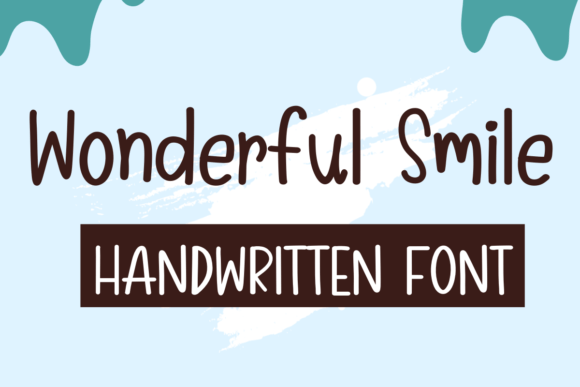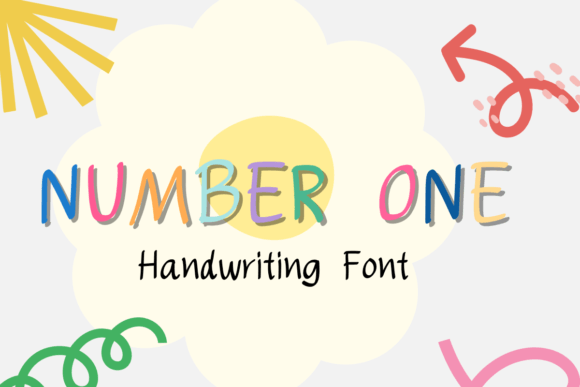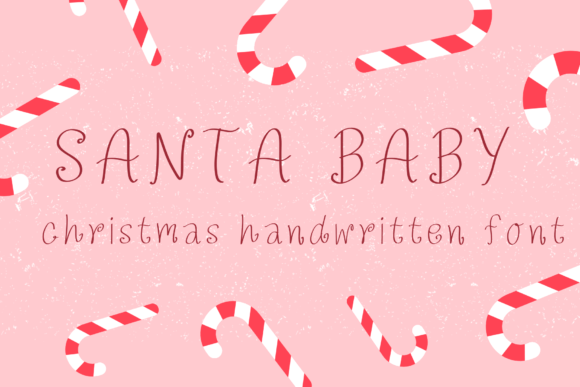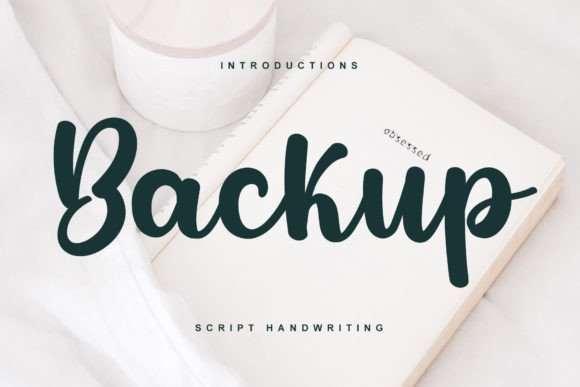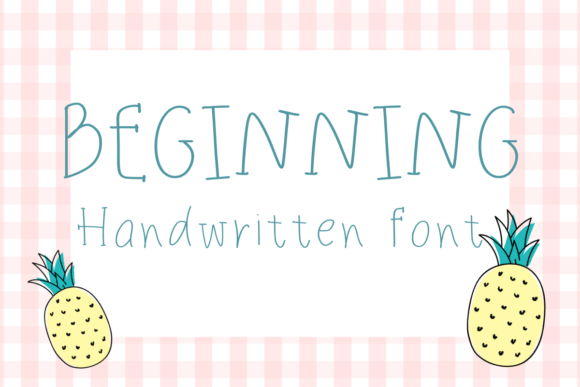
Beginning Font: A Sweet Touch for Authentic Design
The Warmth of a Handwritten Typeface
There is a specific kind of visual friction that happens when a brand tries too hard to look "human." You see it often in corporate emails attempting to sound casual or packaging that uses stiff, generic scripts to mimic a personal note. The Beginning font manages to sidestep this awkwardness entirely. As a handwritten font, it doesn't just mimic handwriting; it captures the specific rhythm of a relaxed hand. It is sweet, friendly, and inherently approachable, making it a creative font that instantly lowers the barrier between the creator and the audience.
Visually, Beginning is characterized by soft edges and a natural flow that avoids the jagged, aggressive strokes found in many grunge or street-style typefaces. It sits comfortably in the realm of modern script font design, but with a legibility that is often missing from cursive styles. For designers, marketers, and entrepreneurs, this font offers a way to inject personality into a project without sacrificing the clarity of the message. It is the typographic equivalent of a friendly smile—disarming and genuine.
Where Beginning Shines: Real-World Applications
The versatility of a premium font like Beginning is found in its ability to adapt to different mediums. It is not just a digital asset; it translates beautifully into physical products. If you are working on packaging design for a boutique product—perhaps artisanal candles, organic skincare, or baked goods—this typeface sets the mood immediately. It suggests that the product inside was made with care, distinguishing it from mass-market competitors that rely on cold, industrial sans serif font families.
For the digital space, Beginning is a powerhouse for social media graphics. In a feed dominated by bold, shouting typography, a sweet display font can act as a visual pause. It works exceptionally well for quotes, lifestyle captions, or headers on Instagram stories where the goal is engagement rather than hard selling. Similarly, in web design, it can be used sparingly to highlight specific call-to-action buttons or hero section headers, adding a touch of warmth to an otherwise structured layout.
Event planners and stationery designers will find Beginning indispensable for wedding invitations and greeting cards. The font carries an emotional weight that formal serif fonts often lack. It feels personal, as if the host took the time to write the details out by hand. This application extends to editorial design as well; lifestyle magazines and blogs can use it for pull quotes or section breaks to maintain a conversational tone throughout the publication.
Strategic Typography: Brand Perception and Hierarchy
Choosing a font is rarely just about aesthetics; it is a strategic decision that influences brand identity. When you integrate Beginning into your logo design or marketing collateral, you are signaling specific values: approachability, creativity, and authenticity. This is crucial for small business owners and entrepreneurs who need to build trust quickly. A rigid, corporate typeface might convey authority, but a handwritten font like Beginning conveys empathy and customer care.
However, using a display font requires an understanding of visual hierarchy. Because Beginning is stylistic, it is best reserved for headlines, sub-headers, or short bursts of text. If you attempt to write a full blog post or a technical manual in a handwritten style, you compromise readability. The eyes tire quickly when reading long passages of script. Instead, pair it with a clean, neutral body font to create contrast. This combination ensures that your design assets are both beautiful and functional.
Practical Guide to Using Beginning
Before committing to Beginning for a commercial project, it is essential to test how it interacts with your existing design assets. A great font pairing strategy involves contrast. Try combining Beginning with a geometric sans serif font like Montserrat or a classic serif font like Georgia. The structural rigidity of these fonts will highlight the organic fluidity of Beginning, creating a balanced composition that guides the reader's eye naturally.
When evaluating the font, pay close attention to the specific characters you will use most. For example, if your brand name contains double letters (like "coffee" or "happy"), check how the font handles ligatures and connections. Good modern typography ensures that repeated letters look distinct rather than robotic. Additionally, review the licensing. If you are a content creator using this for client work or a business owner using it on merchandise, ensure you have the correct commercial font license to avoid legal issues down the road.
Finally, consider the medium. On screen, Beginning renders with crisp edges, making it ideal for high-resolution monitors and mobile devices. In print, the font's weight and spacing come into play. Test print a sample of your packaging design