Backup: A Handwritten Font with Authentic, Unscripted Character
The Visual Personality of a Freestyle Typeface
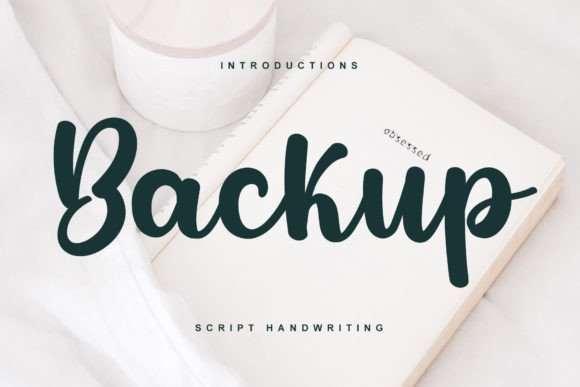
There’s a certain charm in imperfection, a quality that polished, geometric typefaces often struggle to convey. This is where the Backup font steps in. Created in a random freestyle, it captures the genuine, slightly unpredictable nature of human handwriting. Unlike script fonts that aim for flawless calligraphic flow, Backup embraces the casual, the spontaneous, and the authentically rough. Its letterforms vary in baseline and weight, mimicking the natural rhythm of a pen moving quickly across paper. This isn't a font for formal documents; it's a creative font designed to inject personality, warmth, and a touch of nostalgia into a project.
At its core, Backup is a display font. Its strength lies in headline use, logos, and short bursts of text where its distinctive character can shine without compromising readability. Think of it as the typographic equivalent of a handwritten note left on a desk—personal, immediate, and full of character. The slightly uneven edges and organic curves give it a human touch that resonates in an age of digital perfection. For designers and creators, it offers a way to break away from the uniformity of standard sans serif font or serif font families and communicate something more intimate and approachable.
Where Backup Truly Shines: Practical Applications
Understanding where a font like Backup works best is key to using it effectively. Its freestyle nature makes it a versatile tool across numerous fields, but its application requires a thoughtful touch.
In logo design and brand identity, Backup can be a game-changer for brands aiming for a handmade, artisanal, or indie aesthetic. Imagine a local coffee roaster, a boutique stationery shop, or a musician's logo. The font instantly communicates authenticity and a personal story. It works beautifully for logotypes where the brand name itself becomes a piece of hand-lettered art. However, it's wise to pair it with a clean, neutral sans serif font for body text to maintain clarity and professionalism across all brand materials, from business cards to websites.
The apparel industry and packaging design are natural homes for Backup. On a t-shirt, a tote bag, or a product label, the font feels at home, adding a trendy, youthful, or vintage vibe depending on the context and color palette. It’s perfect for slogans, brand names, or featured text that needs to stand out with personality. For poster design, especially for music events, indie films, or community gatherings, Backup can set a relaxed, engaging tone that draws the eye more effectively than a standard corporate typeface.
Digital spaces are also prime territory. For social media graphics, particularly on platforms like Instagram or YouTube, Backup helps content stand out in a crowded feed. Its handwritten style is inherently engaging and feels native to the platform's personal, visual nature. Use it for quote graphics, channel banners, or thumbnail text to add a unique flair. In web design, it’s best used sparingly—perhaps for a hero section headline, a special call-to-action, or an "About Us" section—to add a personal touch without sacrificing the site's overall usability.
Integrating Backup into Your Design Workflow
Choosing the right font is just the first step. Integrating it effectively into a project requires a strategic approach. When evaluating if Backup is the right fit, start by defining the project's tone and audience. Is the goal to be friendly, nostalgic, rebellious, or artistic? Backup excels in contexts where a human connection is more important than institutional authority.
Next, consider font pairing. This is crucial for maintaining a balanced visual hierarchy. A powerful handwritten font like Backup needs a counterpoint. Pair it with a simple, geometric sans serif font like Open Sans or Lato for body copy. The contrast allows Backup to headline without causing visual fatigue. For a different feel, a light, classic serif font could create an interesting juxtaposition between the old and the new, the formal and the casual. Always test your pairings in context—see how they look together on a mockup of your final deliverable, whether it's a magazine layout or a website header.
Readability is a non-negotiable consideration. Use Backup for large, short text. Avoid setting entire paragraphs or lengthy captions in it, as the freestyle variation can make extended reading difficult. Its role is to attract and delight, not to convey dense information. Check the font's included styles; does it come with alternates, swashes, or a full set of punctuation and numerals? These extras can add valuable flexibility to your designs.
Finally, always be mindful of licensing. As a premium font, Backup comes with specific terms for use. Ensure you understand the license for your intended application, whether it's for a personal blog, a client's corporate identity, a commercial product line, or a movie poster. Respecting the license supports the type designers who create these valuable design assets and ensures your project is legally sound.
In the end, Backup is more than just a collection of glyphs; it's a tool for storytelling. It offers a way to bypass the sterile and connect on a more human level. Used thoughtfully, it can elevate a project from simply looking good to feeling genuinely authentic and memorable. Whether you're crafting a brand identity, designing a book cover, or creating engaging social media graphics, this handwritten font provides the imperfect, beautiful character that can make all the difference.