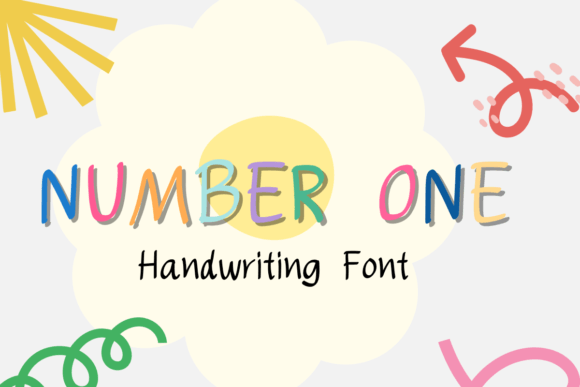
Number One: A Handwritten Font for Authentic Design
When a project calls for a personal touch, a standard serif font or a clean sans serif font often feels too corporate. Number One is a sweet and friendly handwritten font that solves this problem. It carries a cute and fun personality, making it an ideal choice for crafts, digital design, presentations, or writing wedding invitations. This creative font brings warmth to any project, offering an alternative to the rigid lines of modern typography.
Visual Characteristics and Personality
Number One is not just another script font. It mimics the natural flow of a hand holding a pen, featuring soft curves and slightly uneven baselines. These subtle imperfections are what give the typeface its charm. Unlike formal calligraphy, this handwritten font feels approachable and relaxed. The letterforms are legible, ensuring that while the style is decorative, the message remains clear. It strikes a balance between being playful enough for children’s designs and sophisticated enough for boutique branding.
The visual appeal of Number One lies in its versatility. It functions as a display font that catches the eye but retains enough structure to be used for short paragraphs. For designers looking to inject personality into a brand identity, this font provides an instant solution. It communicates authenticity and care, suggesting that a human is behind the message rather than an automated system.
Best Applications for Number One
Understanding where to use a premium font like Number One is key to maximizing its impact. It excels in environments where connection and emotion are prioritized over rigid formality.
Packaging Design and Physical Products
For small business owners and entrepreneurs, packaging design is the first physical touchpoint with a customer. Number One works beautifully on labels for artisan goods, cosmetics, or baked goods. It suggests that the product inside is handcrafted with care. When paired with a simple sans serif font for the ingredients or instructions, Number One can create a stunning visual hierarchy that guides the customer’s eye to the brand name first.
Digital Design and Social Media
In the realm of digital design, standing out is difficult. Number One is excellent for social media graphics, particularly for quotes, announcements, or sale promotions. Its handwritten style breaks the monotony of standard web-safe fonts. Bloggers and content creators can use this font to create a cohesive aesthetic across their Pinterest pins or Instagram stories. It adds a layer of personality that static, geometric fonts often lack.
Event Stationery
Wedding invitations, birthday cards, and event programs benefit greatly from a script font. Number One offers a romantic yet modern vibe. It is legible enough for important details like dates and locations while maintaining the celebratory mood required for such occasions. It serves as a perfect alternative to expensive custom calligraphy, providing a similar visual effect at a fraction of the cost.
Editorial Design and Publishing
Publishers and magazine designers can use Number One for pull quotes, subheadings, or feature titles. In editorial design, contrast is essential. Using this handwritten font against a body of text set in a traditional serif font creates a dynamic reading experience. It draws attention to key points and adds a conversational tone to lifestyle or travel articles.
Influence on Brand Perception and Engagement
Typography is a silent ambassador for a brand. The choice of font influences how an audience perceives the message before they even read the words. Using Number One signals friendliness and approachability. It lowers the barrier between the brand and the consumer, making the business feel more accessible.
However, consistency is vital. If a brand uses Number One for its logo design but switches to a stark, industrial font for its website, the disconnect can confuse the audience. Establishing a style guide that dictates where and how Number One should be used helps maintain brand identity. Whether it is used for headers on a website or as the primary typeface for a café menu, consistency reinforces recognition.
Practical Guidance for Designers
When integrating Number One into a design workflow, there are several practical considerations to keep in mind to ensure the best results.
Evaluating Project Fit
Before selecting this font, consider the audience. Number One is perfect for targeting adults aged 20–50 who appreciate aesthetics, creativity, and authenticity. It resonates well with hobbyists, crafters, and consumers of boutique products. However, it may not be suitable for highly technical documents, legal contracts, or heavy data visualization where clarity and neutrality are paramount.
Font Pairing Strategies
A strong font pairing can elevate a design. Because Number One is a display font with high personality, it pairs best with neutral typefaces. Consider combining it with a geometric sans serif font for a modern look, or a classic serif font for a more elegant feel. The goal is to let Number One handle the headlines and emotional touchpoints, while the secondary font handles the dense information. Avoid pairing it with other script fonts, as this usually creates visual clutter and reduces readability.
Readability and Legibility
While Number One is designed to be legible, handwritten fonts generally require more careful handling than standard text fonts. Ensure the font size is large enough to be read comfortably, especially on mobile devices. Pay attention to line height (leading); handwritten scripts often need a bit more breathing room than blocky fonts to prevent ascenders and descenders from colliding.
Licensing and Usage Rights
As a commercial font, Number One comes with specific licensing terms. It is crucial for designers and business owners to review the license before use. Ensure the license covers your specific needs, whether that is for a single logo, a run of printed merchandise, or unlimited digital usage. Respecting licensing agreements is part of professional design practice and protects the intellectual property of the type foundry.
Conclusion
Number One is more than just a collection of glyphs; it is a design asset that brings life to projects. From wedding invitations to social media graphics, this handwritten font offers a sweet and friendly voice. By understanding its strengths and pairing it wisely, designers and creators can use Number One to build stronger connections with their audiences, ensuring their work feels personal, professional, and memorable.