Gerbera: A Sweet Handwritten Font for Friendly Design
When you need a typeface that feels approachable and full of personality, a handwritten display font like Gerbera often fits the bill perfectly. It’s not trying to be overly formal or serious. Instead, Gerbera leans into a sweet, friendly, and slightly playful aesthetic. Think of it as the typographic equivalent of a warm smile or a handwritten note from a friend. This character makes it a valuable tool in your design toolkit, especially when you want to create an immediate, human connection with your audience.
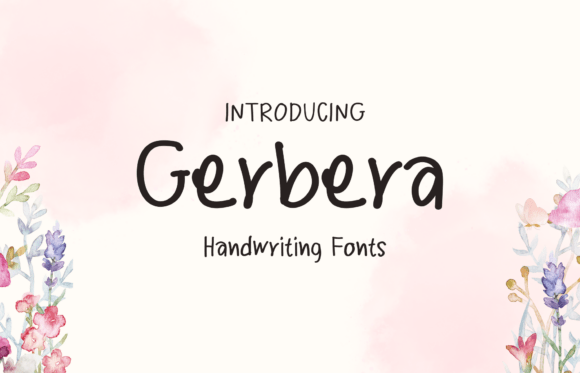
The visual style of Gerbera is characterized by its soft, rounded letterforms and a natural, flowing rhythm. It avoids the sharp angles or rigid structure of many sans serif font families. Instead, you’ll notice a gentle bounce and subtle imperfections that give it a handcrafted, authentic quality. This isn’t a script font in the traditional, cursive sense; it’s more of a printed handwritten font, which improves its legibility across various sizes and applications. Its charm lies in this balance—it’s clearly made by a human hand but remains clean and functional for modern typography projects.
Where Gerbera Truly Shines: Practical Applications
Understanding a font’s personality is one thing; knowing where to deploy it effectively is another. Gerbera’s strengths are best utilized in contexts where a fun, personal, and engaging tone is desired. It’s a creative font that works wonders for projects aimed at evoking joy, nostalgia, or approachability.
For brand identity and logo design, Gerbera can be ideal for businesses that want to appear friendly, community-oriented, and creative. Think of boutique bakeries, children’s clothing brands, artisan craft shops, or personal blogs. It instantly communicates a non-corporate, hands-on vibe. In packaging design, it can make a product feel more personal and gift-like, perfect for handmade goods or specialty food items.
Within editorial design and publishing, Gerbera finds a natural home. It’s an excellent choice for headings in lifestyle magazines, cookbook titles, or chapter openers in young adult fiction. Its playful nature makes it a standout for social media graphics, particularly for quotes, announcements, or call-to-action overlays where you need to stop the scroll with a friendly vibe. It’s also a fantastic resource for educators and students, adding a touch of fun to school projects, presentations, and classroom materials without sacrificing clarity.
Beyond the Screen: Print and Personal Projects
The utility of a premium font like Gerbera extends far beyond digital screens. Its handwritten style translates beautifully to print, making it a go-to for wedding invitation suites, greeting cards, and party stationery. It brings a cohesive, handcrafted feel to event materials. For crafters using cutting machines for vinyl decals, t-shirt designs, or scrapbooking, Gerbera provides that sought-after personal touch. Even for more commercial print applications like posters, flyers, or movie title treatments where a fun, comic-book or retro vibe is needed, it can deliver a strong visual punch.
Integrating Gerbera into Your Design Workflow
Simply liking a font isn’t enough; successful integration requires thoughtful application. Here’s how to work with Gerbera effectively.
Evaluate the Project Fit. First, ask if the project’s tone aligns with Gerbera’s sweet and friendly character. It’s perfect for a children’s charity event poster but likely not the best choice for a corporate law firm’s annual report. Context is everything. Its strength is in display font applications—headings, logos, and short bursts of impactful text—rather than long-form body copy.
Master the Font Pairing. A handwritten font like Gerbera often benefits from being paired with a simpler, more neutral typeface. This creates a clear visual hierarchy and ensures readability. Try pairing Gerbera with a clean sans serif font like Open Sans or Lato for body text. For a more elegant contrast, a classic serif font like Lora or Merriweather can provide a sophisticated backdrop. The key is to let Gerbera be the star of the show for key elements while its partner handles the heavy lifting of paragraph text.
Test for Readability and Consistency. Always test your chosen font at the size it will be used. While Gerbera is legible for a display face, ensure its distinctive characters (like the lowercase ‘a’ or ‘e’) remain clear in your specific context. Consider how it will contribute to your overall brand identity. If you use it, use it consistently across all touchpoints—from your website headings to your email newsletters—to build recognition. Finally, always verify the licensing. Most commercial font licenses are straightforward, but it’s crucial to ensure your intended use (e.g., on products for sale, in a mobile app) is covered. This due diligence protects you and supports the type designers who create these valuable design assets.
In a landscape crowded with austere and minimalist typefaces, Gerbera offers a welcome return to warmth and individuality. It’s a tool for designers and creators who want their work to feel less like a corporate message and more like a conversation. By understanding its character and applying it with intention, you can leverage Gerbera to inject genuine friendliness and creative energy into your projects, making them more engaging and memorable for your audience.