Give Your Projects a Gritty Edge with Battle Tough
There’s a certain type of project that demands more than standard elegance or minimalism. It calls for something with a bit more grit, a sense of history, and an undeniable presence. If you’re working on a logo, website, album cover, video game interface, or even a line of T-shirts, you need a typeface that doesn’t just sit on the page but makes a statement. This is where the right premium font becomes an indispensable part of your design assets, transforming the ordinary into the memorable.
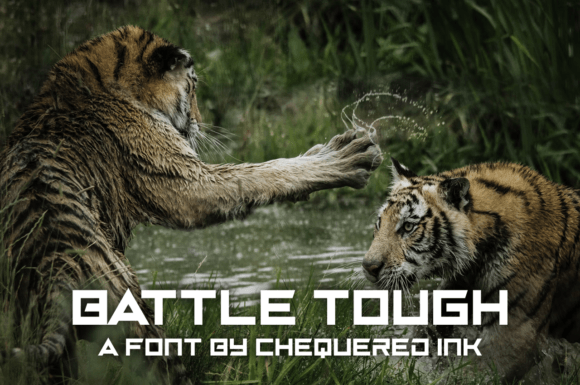
Imagine a font that carries the weight of hand-hewn craftsmanship. That’s the essence of a typeface like Battle Tough. It’s a creative font designed to give your work an authentic, hand-crafted feel that machine-generated alternatives often lack. The visual character is robust and textured, with letterforms that feel chiseled or stamped, suggesting resilience and strength. This isn’t a delicate script font or a sterile sans serif; it’s a display font with personality, ideal for headlines and branding elements where you need to make an immediate impact. The overall appeal lies in its ability to convey ruggedness and authenticity without sacrificing clarity at intended sizes.
Where Does a Font Like This Truly Shine?
The versatility of a strong, textured typeface is one of its greatest assets. Its primary strength lies in applications where brand identity and visual hierarchy are paramount. Think of a craft brewery’s logo, where the lettering needs to feel artisanal and robust. Consider the cover of a gritty detective novel or a fantasy epic, where the title alone should evoke a specific mood. In the realm of digital design, it can anchor a website’s hero section for a construction company, a fitness brand, or an outdoor adventure blog, setting the tone from the first scroll.
Beyond the obvious, this style finds a natural home in packaging design. A hot sauce label, a line of artisanal coffee, or a rugged leather goods brand would benefit immensely from the textured presence of a font like Battle Tough. It tells a story of quality and substance before the customer even reads the product description. For social media graphics, it cuts through the noise, offering a distinct look that can increase brand recognition and engagement. The key is matching the font’s inherent personality—the sense of durability and hand-crafted quality—to a project that shares those values.
Practical Guidance for Choosing and Using a Tough Typeface
Selecting the right font is a strategic decision that influences readability, audience perception, and overall professionalism. Here’s how to approach it practically:
- Evaluate the Project’s Core Personality: Before you even look at fonts, define the adjectives for your project. Is it playful, elegant, rustic, futuristic, or authoritative? A font like Battle Tough aligns with descriptors like strong, authentic, rugged, and hand-crafted. If your project is aiming for sleek and modern, this might not be the primary choice, but it could serve as a powerful accent.
- Test for Readability and Context: Always test a font in context. A typeface that looks magnificent in a large headline on your monitor might become illegible when used for body text or scaled down for a mobile screen. Review the full character set, including numbers, punctuation, and any alternates or ligatures. Check how it renders across different browsers and devices for web design projects.
- Master the Font Pairing: A strong display font rarely works alone. The magic happens in the pairing. A font with such a distinct texture often benefits from a clean, neutral companion. Pair it with a simple, geometric sans serif font for body copy or UI elements. This creates a clear visual hierarchy: the tough, expressive font commands attention for headlines and logos, while the simpler font ensures easy readability for longer text. Avoid pairing it with another highly stylized script or handwritten font, as this can create visual clutter.
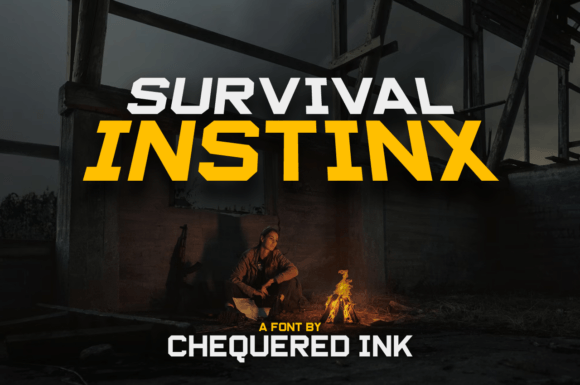
- Understand the Licensing: If you’re using the font for commercial purposes—which includes client work, merchandise, or monetized content—you must ensure you have the correct commercial license. Most premium fonts from foundries like Chequered Ink come with clear licensing terms. This isn’t just a legal formality; it’s a mark of professionalism and supports the designers who create these valuable tools.
Ultimately, the goal is to use typography not just as a tool for presenting words, but as a fundamental component of your brand’s storytelling. A font with the distinct character of Battle Tough does more than label a product; it imbues it with a sense of identity and quality. It’s the difference between a generic design and one that feels considered, intentional, and connected to a specific aesthetic. By carefully selecting and applying such a typeface, you’re not just choosing letters—you’re crafting an experience and building a more recognizable, engaging brand identity for your audience.