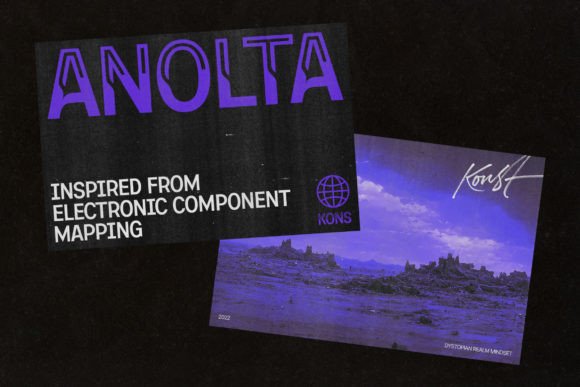
Anolta: The Anti-Design Typeface for a Raw, Authentic Edge
If you work in design, you've probably noticed a shift. The hyper-polished, perfect geometric sans serif fonts that dominated for years are starting to feel a bit... sterile. There's a growing hunger for texture, personality, and a touch of intentional imperfection. This is the essence of the anti-design movement, and it's exactly where the Anolta typeface finds its power. It's not about rejecting good design, but about challenging the rules that have become too predictable.
So, what exactly is Anolta? At its core, it's a sans serif font, but calling it that feels incomplete. Imagine the clean, familiar skeleton of a modern sans serif. Now, picture that skeleton with its joints slightly bent, its strokes subtly uneven, and its overall form carrying a handcrafted, almost rebellious energy. The designers took a typical form and tweaked it, introducing irregularities and a distinct visual tension. It's a creative font that feels both contemporary and raw, engineered to make a statement without shouting. Its personality is confident, edgy, and unapologetically modern—perfect for brands that want to step out of the corporate uniform and into something more authentic.
Where Anolta Truly Shines: Practical Applications
The true test of any premium font isn't just how it looks in a specimen sheet, but how it performs in the wild. Anolta is a versatile display font, meaning it's built for impact at larger sizes. This makes it a powerhouse for specific types of projects where grabbing attention is paramount.
- Logo & Brand Identity: This is Anolta's home turf. If you're crafting a logo design for an independent streetwear label, a creative agency, a music producer, or a podcast with a distinct voice, Anolta provides an instant, recognizable character. It builds a brand identity that feels current and culturally aware.
- Esports & Gaming: The dynamic, slightly aggressive aesthetic of Anolta is a natural fit for esports branding. It works brilliantly for team logos, stream overlays, tournament graphics, and merchandise, injecting energy and a competitive spirit into the visuals.
- Music & Entertainment: For album artwork, cover art, gig posters, and streaming visuals, this typeface sets a powerful mood. It can convey the grit of indie rock, the futuristic vibe of electronic music, or the bold attitude of hip-hop, making it a go-to for music projects.
- Apparel & Merchandise: Think beyond a simple chest print. Anolta excels on apparel, streetwear tags, and large-format poster designs where its unique letterforms can be fully appreciated. It gives packaging design and product labels a distinct, artisanal feel.
Beyond these primary uses, consider Anolta for hero sections on web design projects, bold headlines in editorial design, or standout text in social media graphics. It's a tool for making specific elements pop, not for setting an entire novel.
Making It Work: Font Pairing and Readability
Introducing a strong display font like Anolta into a project requires a strategic approach to maintain balance and ensure your message gets across. Here’s how to wield it effectively.
Pairing for Harmony
The key is contrast. Anolta's expressive nature means it needs a calm, stable partner for body text. You wouldn't pair it with a loud script font or another complex display font—that would create visual chaos. Instead, look for a highly legible, neutral sans serif font or even a classic serif font. The goal is to create a clear visual hierarchy: Anolta commands attention for headlines and logos, while its partner handles the readable paragraphs with ease. This pairing is fundamental to professional font pairing and ensures your design feels intentional, not accidental.
Readability Considerations
Because of its stylized details, Anolta is not optimized for long-form reading. Its strength lies in short bursts of text—single words, short phrases, and headlines. Using it for a 12-point paragraph would compromise readability. Always test it at the intended size. Zoom in to check the clarity of individual characters, especially in words with tricky letter combinations. Its slightly irregular forms add character, but at very small sizes or in low-contrast situations, that character can turn into confusion.
Evaluating Fit and Exploring Styles
Before committing, ask: Does my project need this level of personality? A law firm's website likely doesn't. A new energy drink brand probably does. Look at the included styles—does the font family offer the weight variations (like Regular, Bold, Black) you need for your design assets? A good commercial font will provide enough flexibility. Finally, understand the licensing. Ensure the font license covers your intended use, whether for a client's brand identity, physical merchandise, or digital products.
In a market saturated with safe choices, Anolta offers a way to step up your visual game. It’s a strategic asset for designers and creators who want their work to feel relevant, raw, and resonant. By understanding its personality and applying it thoughtfully, you can leverage this modern typography to create visuals that don't just capture attention, but hold it.