Attack Graffiti: Unleashing Raw Street Energy in Design
In the world of typography, finding a font that feels genuinely authentic, not just stylized, can be a challenge. Attack Graffiti is a premium font that cuts through the noise. It’s not a sanitized, corporate interpretation of street art; it’s a direct channel to the gritty, high-energy pulse of urban culture. For designers, brand strategists, and content creators, this typeface offers a powerful tool to inject rebellion, movement, and an unmistakable edge into their work. Its value lies in its ability to communicate a specific, visceral attitude instantly.
Anatomy of an Authentic Street Typeface
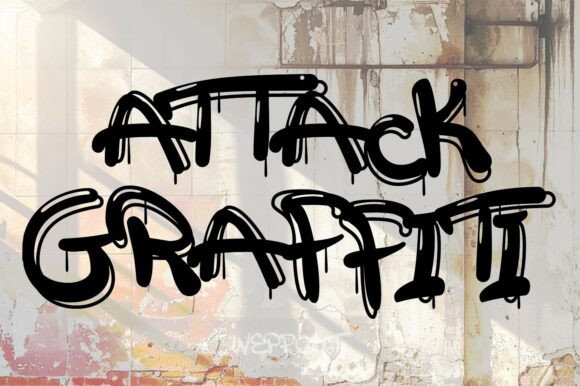
What sets Attack Graffiti apart is its meticulous attention to the real-world artifacts of spray paint art. This isn't a clean display font with a few rough edges. Its character is built on distressed, uneven strokes that mimic the pressure and angle of a spray can. You'll notice authentic drips, splatters, and a fragmented texture that looks like it was tagged onto a concrete wall moments ago. This gives the typeface a hand-sprayed, unpolished quality that feels dynamic and alive. The included uppercase letters, numerals, and punctuation maintain this consistent, raw aesthetic, ensuring every element feels cohesive. It’s a font that doesn’t just sit on a page; it attacks it.
Where This Urban Font Makes Its Mark
The practical applications for Attack Graffiti are as diverse as street art itself. Its aggressive, high-impact nature makes it a standout choice for projects targeting audiences who value authenticity and counter-culture. Think beyond the obvious. While it’s perfect for skate and BMX branding or concert posters, its utility extends further.
- Apparel & Streetwear: This is its natural habitat. Use it for bold logos, graphic tees, and hoodie designs that need to convey an authentic, urban lifestyle.
- Music & Entertainment: Ideal for album covers, especially in hip-hop, punk, or electronic genres. It creates immediate visual intrigue for video game titles or event marketing.
- Digital & Social Media: Command attention in crowded feeds. It works powerfully for YouTube thumbnails, Instagram story backgrounds, or as a headline font for blogs covering urban culture, music, or extreme sports.
- Editorial & Packaging: Use it sparingly but effectively in editorial design for magazine features on street art, or in packaging design for products with a rebellious, youthful brand identity.
Strategic Implementation: Beyond Just Looking Cool
Choosing a creative font like Attack Graffiti is a strategic decision that influences more than just aesthetics. It directly shapes perception and engagement. Used correctly, it can elevate a project; used poorly, it can undermine its message.
Visual Hierarchy & Readability: This is a headline and logo font, not a body copy typeface. Its strength is in short, powerful bursts. Pair it with a clean, highly legible sans serif font or even a simple serif font for body text. This contrast creates a clear visual hierarchy, allowing the energy of Attack Graffiti to shine without sacrificing readability. Always test the font at the intended size; its intricate details can muddy at very small scales.
Brand Perception & Consistency: Deploying this font signals a brand identity rooted in urban culture, rebellion, and artistic expression. It’s a bold move that resonates deeply with specific demographics but can feel out of place for more conservative brands. Consistency is key. If you use Attack Graffiti for a logo, carry its style into other design assets like social media graphics or merchandise to build a coherent and recognizable brand world.
A Practical Guide to Working with Attack Graffiti
- Evaluate the Project Fit: Before downloading, ask: Does this project need to feel raw, energetic, and anti-establishment? If the brief calls for elegance, tradition, or minimalism, look elsewhere. This font is for projects with attitude.
- Master Font Pairing: The contrast is everything. Try pairing Attack Graffiti with a geometric sans serif like Futura or a simple grotesque like Helvetica for a modern, balanced look. For a more eclectic vibe, a script font or handwritten font with a different texture could work, but test carefully to avoid visual chaos.
- Review the Glyph Set: Take time to explore all the included characters. Notice how different letter combinations interact. The distressed textures and drips mean that spacing and kerning might require manual adjustment to achieve the perfect, natural-looking tag.
- Consider Commercial Licensing: As a commercial font, ensure your license covers all intended uses—whether for a client’s logo design, printed merchandise, or digital advertisements. Reputable foundries provide clear licensing terms for personal and commercial projects.
- Test in Context: Don’t just look at it in a font preview. Mock it up in your actual design. Place it on a textured background, overlay it on a photograph, or set it against a solid color. See how it interacts with other elements in your layout. Does it enhance or overwhelm?
In the end, Attack Graffiti is more than just a design asset; it’s a statement. It offers a direct line to the visual language of the streets, providing designers with a tool that is both potent and authentic. By understanding its character and applying it with strategic intent, you can harness its raw power to create work that is visually arresting, thematically resonant, and impossible to ignore.