Scarnix: The Gothic Blackletter Font That Commands Attention
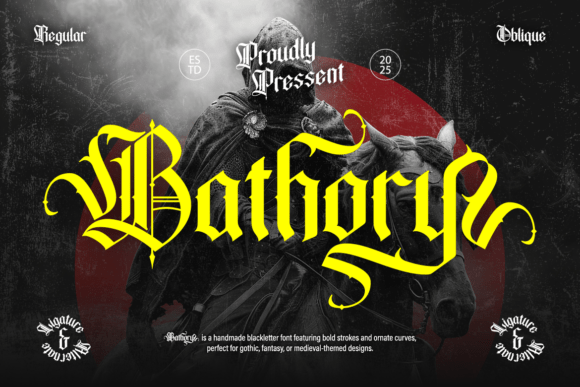
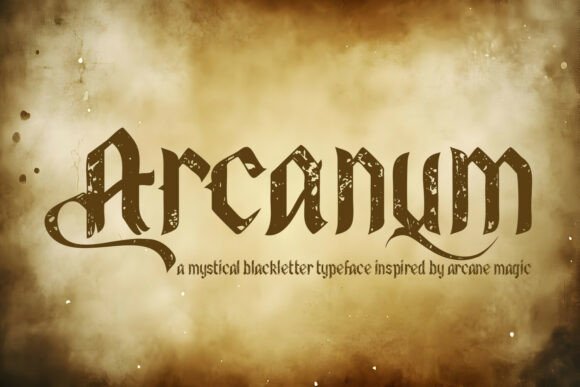
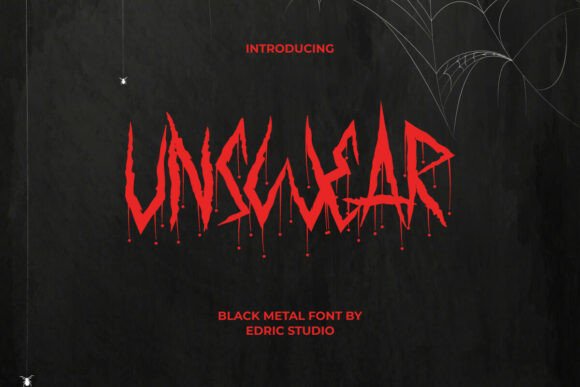
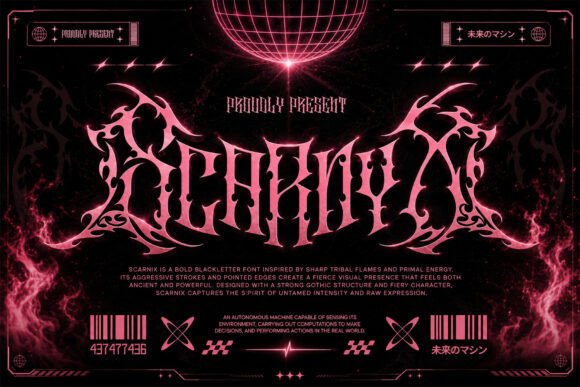
There’s a moment in every design project when you need typography that doesn’t just sit quietly on the page. You need letters that fight for space, characters that carry weight, and a visual voice that refuses to whisper. That’s where Scarnix enters the conversation. This isn’t a font for polite invitations or corporate memos. Scarnix is a blackletter display typeface built from sharp angles, fierce curves, and that unmistakable energy you find in underground metal aesthetics and ritual symbolism. It looks ancient and untamed at the same time, like something carved into stone during a firelit ceremony.
What makes Scarnix worth your attention isn’t just its visual intensity. Plenty of decorative fonts look dramatic but fall apart in real-world applications. Scarnix holds its own because every glyph carries deliberate construction. The symmetrical structure gives it balance while the razor-edged strokes keep things aggressive. You get brutal elegance without sacrificing form. That combination matters when you’re working on projects where first impressions happen in milliseconds.
Where Scarnix Actually Works in Real Projects
I’ve seen designers grab blackletter fonts for the wrong reasons. They love the look but end up with projects where the typography fights against the content instead of supporting it. Scarnix earns its place in specific contexts where its personality becomes an asset rather than a distraction.
Band logos and album artwork remain the most natural home for this typeface. The underground metal and black metal scenes have embraced blackletter typography for decades, and Scarnix channels that tradition with modern precision. But don’t limit yourself to music projects. I’ve watched streetwear brands use similar fonts to build identities that feel raw and authentic. When your audience values rebellion and individuality, Scarnix speaks their language fluently.
Poster designs and event graphics benefit from Scarnix’s commanding presence. Horror film promotions, haunted attraction advertising, tattoo convention posters, and extreme sports events all find a natural match here. The font doesn’t need large sizes to make an impact either. At moderate scales in headlines or title treatments, its ornamental details become visible without overwhelming the composition.
Game developers working on dark fantasy titles have also found value in blackletter display fonts like Scarnix. Think menu screens, chapter titles, in-game signage, and promotional materials. The medieval and gothic associations work perfectly for fantasy settings, and the aggressive styling adds tension that suits action-oriented content. Similarly, tattoo artists and graphic designers creating merchandise for niche communities often reach for typefaces that signal belonging and intensity.
Understanding How Scarnix Affects Your Design’s Impact
Typography influences perception in ways most people never consciously notice. When someone encounters Scarnix in a logo or on packaging, their brain processes visual cues that trigger associations. Sharp angles suggest danger and power. Blackletter forms reference history, tradition, and counterculture. The aggressive weight conveys seriousness and commitment. These aren’t arbitrary connections. They’re built through decades of cultural context from medieval manuscripts to punk zines to modern metal album covers.
Visual hierarchy shifts noticeably when you introduce a display font this strong. Scarnix demands the spotlight, which means you need to design around it carefully. Pair it with clean sans serif fonts for body text. Let it own the headline space without competition. Use generous spacing around it so the details don’t get lost. Think of Scarnix as the loudest voice in the room. Everything else should support it or step back entirely.
Brand perception changes when typography carries this much personality. A company using Scarnix in its identity signals that it doesn’t follow mainstream conventions. This works brilliantly for niche brands, alternative lifestyle products, and creative agencies that pride themselves on bold choices. However, it would feel completely wrong for a pediatric dental office or a meditation app. Context determines whether intensity becomes an asset or a liability.
Practical Guidance for Using Scarnix Effectively
Before committing to any premium font, test it against your actual project requirements. Download the specimen sheet or trial version if available. Set your real headlines, not just the alphabet. Check how numbers and special characters look because those often get overlooked until print time. Examine the spacing between specific letter combinations you’ll use frequently. Some blackletter fonts create awkward gaps or overlaps between certain characters, and you need to know that before designing final layouts.
Font pairing deserves serious attention with a typeface this distinctive. Scarnix works best alongside simple, understated companions. A geometric sans serif or a clean serif font provides contrast without competing for attention. Avoid pairing it with other decorative or script fonts. The result would feel chaotic rather than intentional. I typically recommend testing at least three different pairings before settling on one. View them at multiple sizes and in context with your actual content.
Readability remains a critical consideration even with display typography. Scarnix prioritizes visual impact over extended reading comfort, which is perfectly fine for its intended use. Keep it limited to short text elements. Headlines, logos, single words, and short phrases work well. Paragraphs set entirely in Scarnix would exhaust readers quickly and undermine your message. Respect the font’s strengths by deploying it where those strengths matter most.
Check the licensing terms carefully before using Scarnix in commercial projects. Most premium font licenses cover standard commercial use, but specific terms vary between foundries. Some licenses distinguish between desktop use, web embedding, and application integration. Others include restrictions on merchandise production quantities or broadcast usage. Understanding these details upfront prevents legal headaches later. If you’re a small business owner producing branded merchandise, verify that your license covers physical product creation.
Evaluate what styles and weights come included with your purchase. Some blackletter display fonts offer only a single weight while others provide regular, bold, condensed, and alternate character sets. Additional stylistic alternates give you more flexibility for customization and variation across different applications. Having access to swash variants or decorative extensions can transform a standard headline into something truly distinctive without requiring additional design assets.
Making Scarnix Part of Your Creative Toolkit
Every designer benefits from building a diverse font library that covers different moods and contexts. Scarnix fills a specific niche that few other typefaces address with this level of craft and authenticity. It belongs in your collection alongside your go-to sans serif fonts, your reliable serif options, and those versatile script fonts you reach for when projects need warmth and personality.
The real value of a creative font like Scarnix reveals itself over time. You’ll find unexpected applications as your projects evolve. Maybe a client requests something edgier than your usual work. Perhaps a personal project calls for typography that breaks from convention. Having Scarnix ready means you can respond to those moments without scrambling for solutions. Your font library becomes a strategic resource rather than just a collection of files.
Modern typography rewards designers who understand how to match typeface personality with project goals. Scarnix offers something specific and uncompromising. It doesn’t try to be everything to everyone, and that honesty makes it genuinely useful. When your design needs dark authority, primal energy, and visual intensity that stops people mid-scroll, you now have exactly the right tool waiting in your toolkit.