Golf Doodle: A Playful Dingbats Font for Sporty Designs
Capturing the Spirit of the Game in Every Glyph
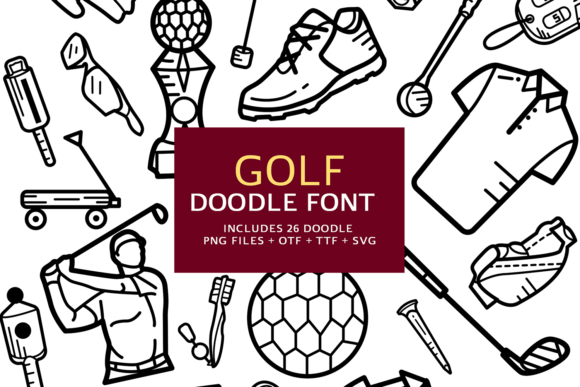
When a project calls for more than just letters, a specialized typeface like Golf Doodle enters the scene. This isn't a traditional serif font or a clean sans serif font for body copy. It's a dingbats font, a collection of illustrative symbols designed to inject personality and thematic clarity directly into your layout. Think of it as a curated set of design assets, where each character is a unique, hand-drawn doodle representing a piece of golf culture. The visual style is bold and sketchy, with a dynamic, informal energy that feels both sporty and approachable. You'll find icons for golf balls in flight, golf carts, clubs, flags, and various accessories, each rendered with a playful, hand-drawn quality that avoids looking overly polished or corporate.
The appeal of a font like this lies in its specificity. While a general handwritten font might convey casualness, Golf Doodle provides instant, recognizable context. It speaks a visual language that golfers and enthusiasts understand immediately. The bold strokes ensure the icons remain clear even at smaller sizes, making it a versatile creative font for numerous applications. It’s a tool for adding a layer of whimsy and authentic sporty charm that generic clipart or stock icons often lack.
Where This Dingbats Font Truly Shines
The practical applications for a dingbats font extend far beyond novelty. For designers and brand strategists, Golf Doodle can be a cornerstone for specific projects. In logo design, a single, well-chosen icon can become a memorable brand mark for a local golf league, a pro shop, or a coaching service. Paired with a complementary script font or a sturdy sans serif font, it creates an immediate and engaging brand identity.
For marketing and social media graphics, these glyphs are incredibly useful. They can serve as decorative bullet points in a newsletter, frame an important announcement on a poster, or add flair to a tournament schedule. Entrepreneurs in the golf niche can use them to design unique merchandise—think t-shirts, hats, and tote bags—where the icons themselves become the central design element. The packaging design for golf accessories or related gift items can also benefit from these playful symbols, creating a cohesive and thematic unboxing experience.
In editorial design, such as a magazine feature or a blog post about golf tips, these icons can break up text, highlight key points, and make the content more visually engaging. They add a human touch to digital layouts, making web design for golf-related sites feel less sterile and more inviting. Even personal projects, like creating custom party invitations for a golf outing or designing a scorecard for a family game, become more fun and polished with this premium font.
Strategic Integration: Beyond Just Decoration
Using a dingbats font effectively requires more than just swapping out letters for symbols. It's about influencing visual hierarchy and audience engagement. A well-placed Golf Doodle icon can draw the eye to a call-to-action, guide the reader through a list, or establish a thematic mood at a glance. This contributes to a stronger, more intuitive reading experience, which is a key principle of good modern typography.
For brand perception, consistency is key. If you incorporate Golf Doodle icons across your website, social media, and printed materials, you build a recognizable visual language. This consistency fosters professionalism and trust, showing your audience that you pay attention to detail and understand their interests. The playful nature of the typeface itself can make a brand seem more approachable and fun, which is a powerful differentiator in a crowded market.
Practical Tips for Working with Golf Doodle
Before integrating any commercial font, a careful evaluation is necessary. First, ensure the font licensing aligns with your project scope, whether it's for personal use, a client's commercial project, or for creating merchandise for sale. Next, test its fit. Review the full glyph set to confirm it includes the specific symbols you need. Does it have the right kind of golf cart or the exact club type you envisioned?
Readability is paramount. Since these are illustrative glyphs, they are best used for display purposes—headers, logos, and accent elements—not for running text. Test the icons at various sizes to ensure they remain clear and recognizable. A common practice is to use them as standalone elements or paired with a clear, readable font pairing. For example, you might set a headline in a strong serif font and use a Golf Doodle icon as a decorative initial cap or a section divider.
Finally, consider the overall tone. The sketchy, hand-drawn style of Golf Doodle is inherently informal and energetic. It works best for projects that aim for a friendly, community-oriented, or recreational feel. It might be less suitable for ultra-corporate or luxury branding where a more refined display font is required. By thoughtfully matching the font's personality to your project's goals, you can leverage its strengths to create designs that are not only visually appealing but also strategically effective.