Anomale: Unleashing Raw Tribal Energy in Your Designs
There are typefaces that are polite, functional, and blend into the background. Then there are typefaces that arrive with a presence, demanding attention and setting a specific, powerful tone. Anomale is firmly in the latter category. It’s not just a font; it’s a design asset with a distinct personality, one that channels ancient symbolism, gothic undertones, and a raw, underground aesthetic. For designers and creators working in specific niches, finding a typeface with this kind of authentic character can be the key to unlocking a project's full potential.
Understanding the Visual Language of Anomale
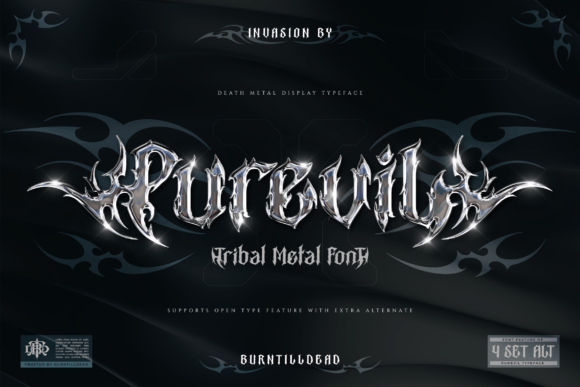
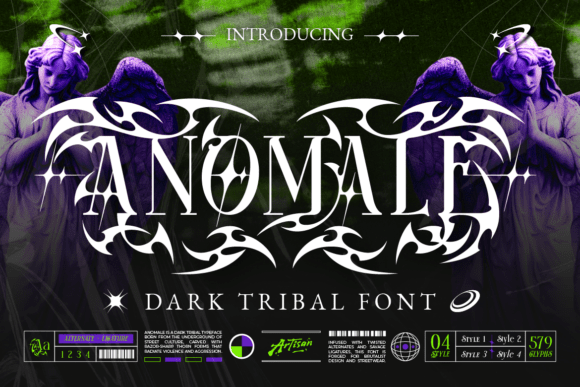
At its core, Anomale is a dark tribal typeface. This means its design DNA is built on sharp, aggressive curves and ornamental details that feel hand-carved or etched. Each letterform carries a sense of weight and history, reminiscent of ancient symbols or ritualistic markings. The overall effect is mysterious, powerful, and slightly occult, without crossing into caricature. This isn't a font for casual, lighthearted projects. Its personality is intense, edgy, and unapologetically bold.
What makes a premium font like Anomale particularly valuable for logo design and brand identity work is its built-in versatility through stylistic alternates. These aren't just minor tweaks; they are fully realized alternate character sets that can drastically change the font's appearance. This allows you to create a range of unique lettering styles from a single typeface. You can opt for a more intricate, tribal look for a band logo, or select a cleaner, yet still aggressive, variant for a streetwear brand's wordmark. This level of control is essential for crafting a distinctive and ownable visual identity.
Where Anomale Truly Shines: Practical Applications
Knowing a font's aesthetic is one thing; understanding where it delivers real-world value is another. Anomale is a display font, meaning it's engineered for impact at larger sizes. Its intricate details can become lost or create readability issues in long-form body text, so it’s best used for headlines, titles, and prominent typographic elements.
Its applications span a wide range of creative and commercial projects:
- Music & Entertainment: This is Anomale's natural habitat. It’s perfect for band logos, album cover art, festival posters, and merchandise graphics, especially within metal, rock, electronic, and alternative genres.
- Dark Branding & Packaging: For brands in the craft beer, artisan coffee, hot sauce, or niche spirits space, Anomale can create a powerful shelf presence. It communicates strength, craftsmanship, and a rebellious spirit. Think packaging design that tells a story before the product is even opened.
- Apparel & Streetwear: The font's raw energy translates perfectly to clothing, hats, and accessories. It helps build a brand identity rooted in alternative culture and bold self-expression.
- Digital & Editorial Design: Use Anomale for impactful titles on web design hero sections, YouTube channel graphics, or social media graphics that need to stop a scroll. In editorial design, it can set a powerful theme for magazine covers or feature articles on topics like fantasy, gaming, or underground art.
- Personal & Hobbyist Projects: Tattoo artists can use it as a reference for custom lettering. Game designers can employ it for titles and UI elements in fantasy or horror themes. It's a creative font that inspires unique projects.
Making Anomale Work for Your Brand
Choosing a typeface like Anomale is a strategic decision that influences how your audience perceives your project. The right display font does more than just spell out words; it sets a mood, builds recognition, and creates an emotional connection. Using Anomale consistently across your brand’s touchpoints—from your logo to your website to your packaging—can establish a strong, cohesive, and instantly recognizable identity. It signals that your brand is confident, distinct, and not afraid to stand out.
However, a powerful font requires thoughtful application. One of the most critical considerations is readability. Because of its ornamental nature, Anomale should be used sparingly and at sufficient size. It’s a headline act, not a background player. For body copy, pair it with a highly legible serif font or sans serif font. This contrast creates a clear visual hierarchy, allowing the bold personality of Anomale to command attention while ensuring your message remains easy to read.
A Practical Guide to Selection and Pairing
Before committing to a commercial font like Anomale, take it for a test drive. Most foundries provide a way to preview the typeface with your own text. This is crucial for evaluating its fit.
- Test with Your Content: See how the specific letters in your brand name or headline look. Do the alternates offer a version you prefer?
- Evaluate Font Pairings: Don't just look at Anomale in isolation. Set it alongside potential partners. A clean, geometric sans serif font like Montserrat or a classic serif font like Playfair Display can provide a beautiful counterpoint, balancing Anomale's intensity with clarity and sophistication.
- Review the Full Character Set: Examine what’s included beyond the basic alphabet. Does it have the punctuation, numerals, and language support you need? The quality of the stylistic alternates is a major part of its value as a design asset.
- Understand the Licensing: Ensure the license covers your intended use, whether for personal projects, client work, or commercial products like merchandise. Clear licensing is a hallmark of a professional typeface.
Anomale is more than just modern typography; it's a tool for creating a specific narrative. It’s for the designer who needs to inject raw power and dark allure into a project. When used with intention and paired wisely, it becomes a cornerstone of a compelling and unforgettable visual story. For projects that demand an edgy, tribal, and powerful aesthetic, few creative fonts